

Introduction
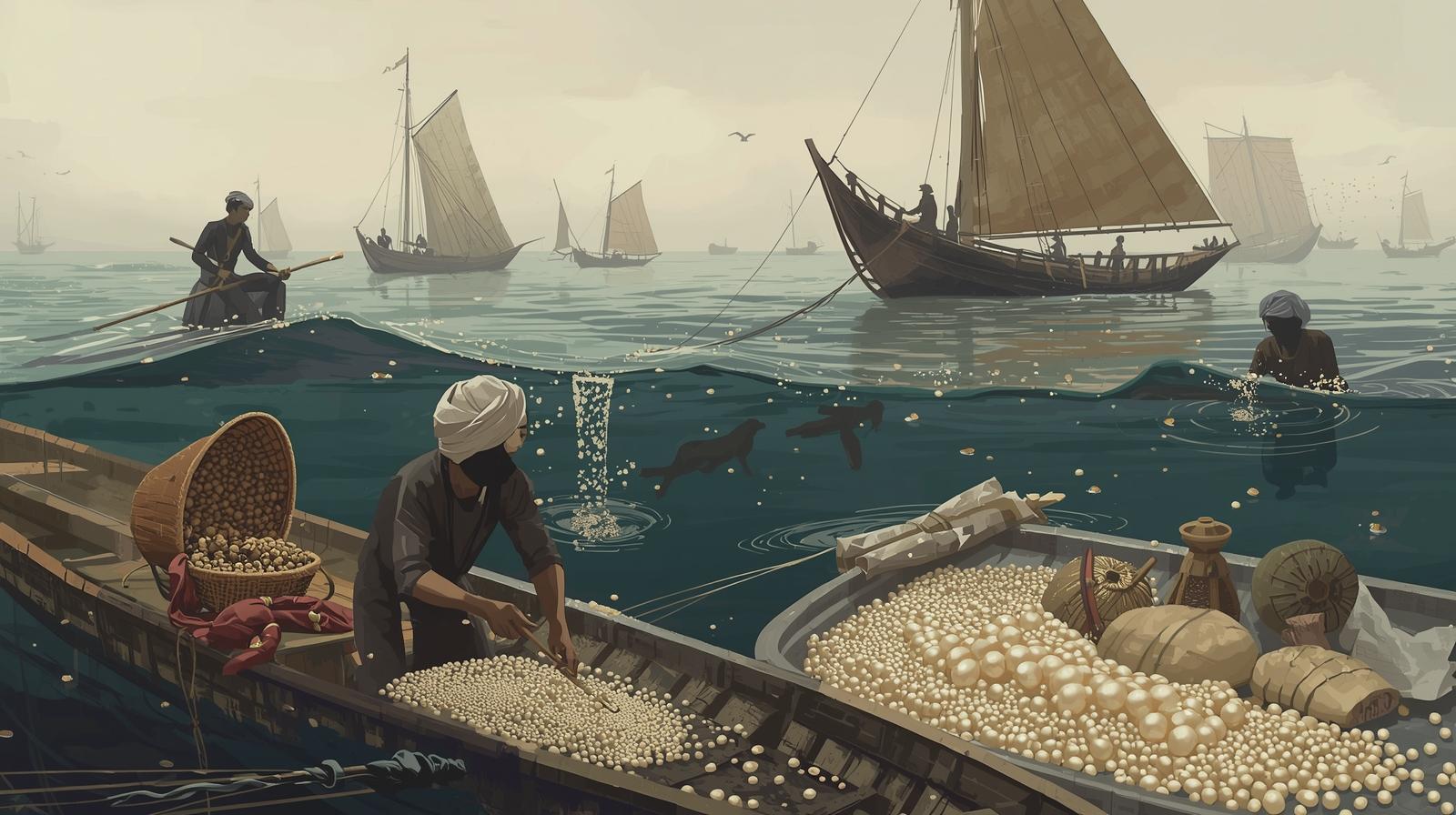
Pearl diving was more than an economic activity in the UAE; it was a way of life that shaped society, culture, and trade. Before the discovery of oil, pearl diving provided wealth, employment, and global connections. This article explores the historical significance of pearl diving and its impact on Emirati culture.
Historical Background
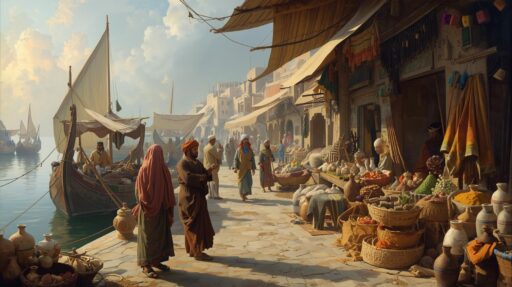
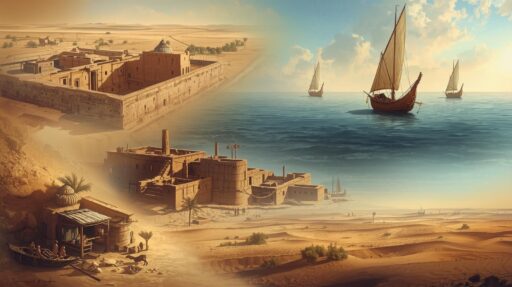
Pearl diving in the UAE dates back centuries. Coastal communities relied on pearls as a primary source of income, trading them with India, Persia, and Europe. Diving required skill, courage, and endurance, as divers faced long hours underwater with limited equipment. Boats, called dhows, were specially designed for pearl expeditions.
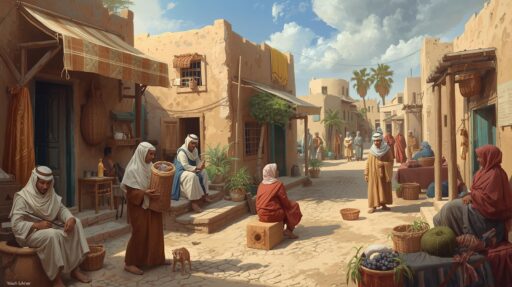
Pearl diving influenced social organization. Wealth from pearling allowed certain families to gain prominence, while the industry supported a wide labor network. Seasonal expeditions defined the rhythm of coastal life, impacting festivals, trade schedules, and daily routines.
Key Aspects of Pearl Diving
1. Economic Importance
Pearl trading created wealth that supported towns, built homes, and funded trade with other regions. Merchants and divers formed complex economic networks, contributing to regional prosperity.
2. Cultural Influence
Pearl diving inspired traditions, songs, and storytelling. Festivals often marked the beginning and end of diving seasons, celebrating both community and labor.
3. Maritime Skills
The industry required exceptional knowledge of navigation, tides, and ocean conditions. Coastal communities became skilled sailors, contributing to the UAE’s long-standing maritime culture.
4. Social Structure
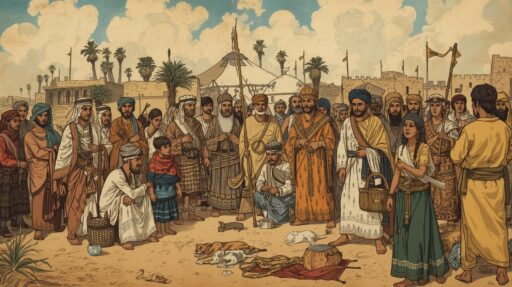
Pearl diving shaped hierarchy and leadership. Experienced divers held respected positions, and communities worked collectively to support diving missions.
Timeline of Pearl Diving in the UAE
- Pre-18th Century: Pearl diving practiced along all Gulf coasts.
- 18th–19th Century: Expansion of trade with India and Persia.
- Early 20th Century: Pearl diving peaks before the introduction of cultured pearls.
- 1930s–1950s: Decline of natural pearls with global competition and oil discovery.
Modern Relevance
Pearl diving remains an essential part of UAE heritage. Museums, cultural festivals, and heritage villages honor this tradition. The skills, values, and maritime knowledge from pearl diving continue to inspire Emirati identity.
Conclusion
Pearl diving was a cornerstone of UAE society, shaping economy, culture, and social organization. Although oil eventually replaced it as the main source of wealth, the legacy of pearl diving endures, highlighting the resilience, courage, and ingenuity of the Emirati people.