

Introduction
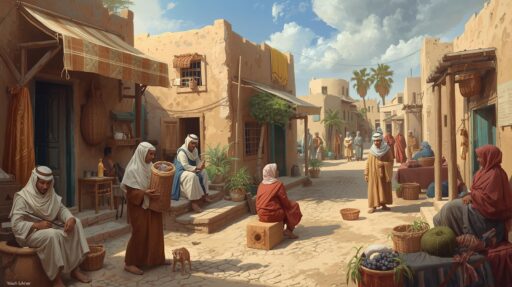
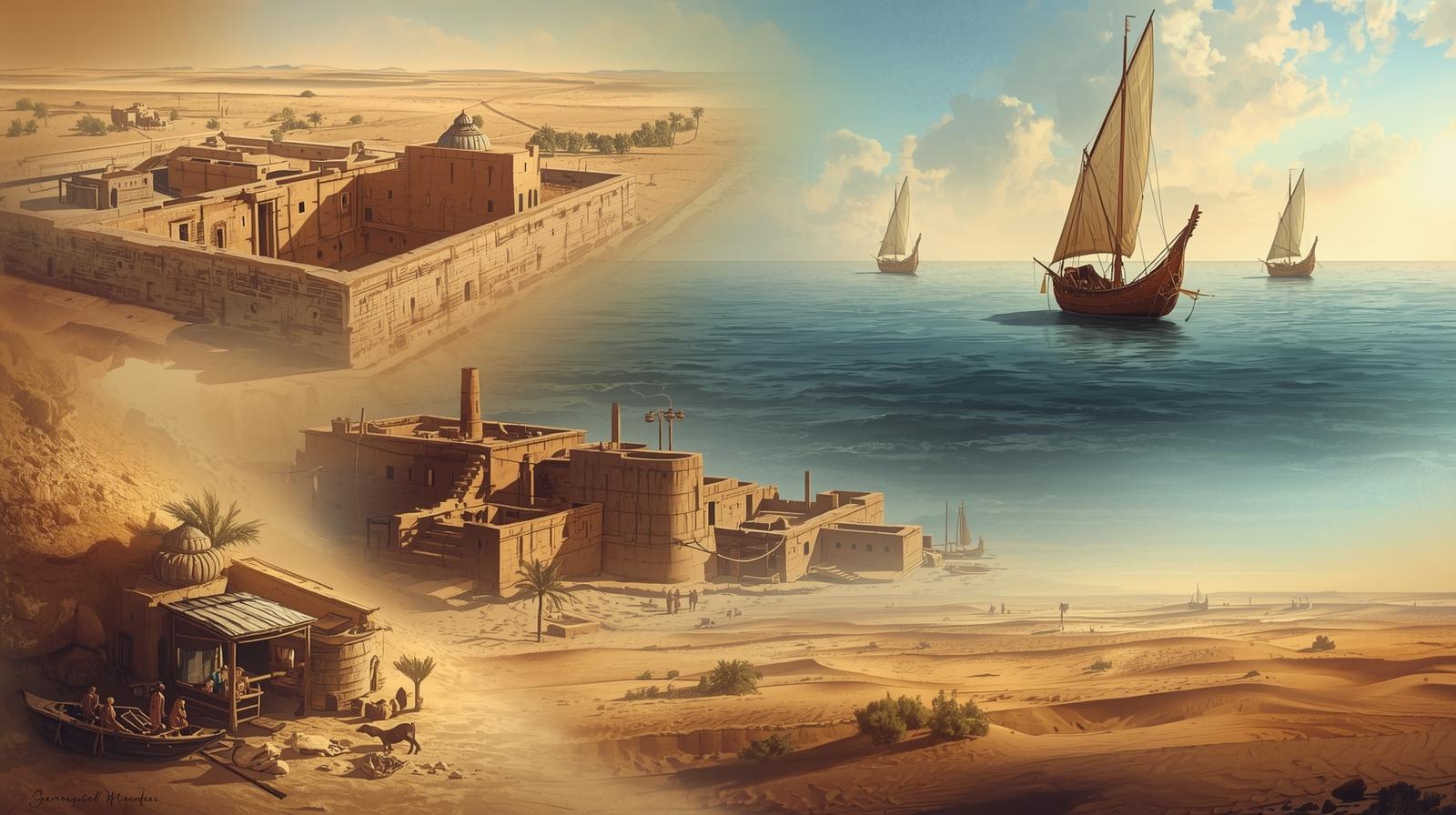
The United Arab Emirates is a land of ancient civilizations, desert landscapes, and coastal settlements. Long before the modern skyscrapers and global business hubs, the region was home to thriving communities that laid the foundation of Emirati culture and identity. This article explores the ancient history of the UAE, highlighting early settlements, trade networks, and social structures that shaped the nation.
Historical Background
Archaeological discoveries reveal that human activity in the UAE dates back to the Bronze Age. Settlements from the Hafit period (3200–2700 BCE) show simple stone structures and burial mounds, while the Umm Al Nar period (2700–2000 BCE) brought more complex settlements, coastal trade, and pottery-making techniques. The Wadi Suq period (2000–1300 BCE) marked advancements in agriculture, irrigation, and social organization.
Early inhabitants relied on both desert and coastal resources. Nomadic tribes roamed the deserts with camels, while coastal communities engaged in fishing, trading, and seafaring. The UAE’s strategic location along the Arabian Gulf facilitated trade with Mesopotamia, Persia, and the Indus Valley, introducing new technologies, ideas, and cultural influences.
Key Developments in Ancient History
1. Trade and Economy
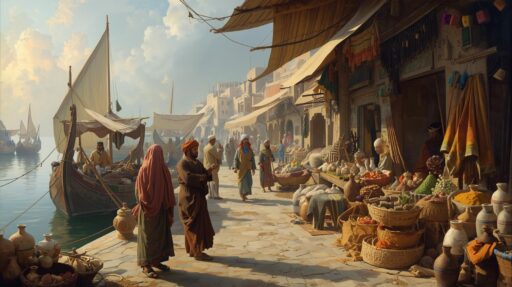
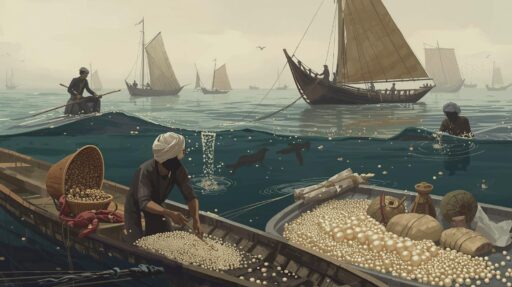
Ancient communities established extensive trade networks. Copper, pearls, dates, and crafted goods were exchanged with neighboring regions, forming the basis of early prosperity. Maritime skills were essential, as coastal settlements relied on boats and navigation for commerce.
2. Social Organization
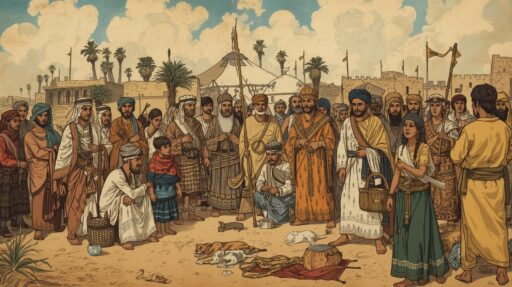
Tribal systems governed communities, with leaders overseeing resource distribution, conflict resolution, and community welfare. These early governance structures created social cohesion and laid the groundwork for later political systems.
3. Cultural Practices
Burial customs, pottery decorations, and artifacts demonstrate the spiritual and cultural beliefs of early Emiratis. These practices reflect respect for ancestors, religious observances, and artistic expression, which influenced later Emirati traditions.
4. Adaptation to Environment
Desert and coastal conditions required innovative survival strategies. Communities developed methods for agriculture, freshwater management, and animal husbandry, showing resilience in harsh climates.
Timeline of Ancient History
- 3200–2700 BCE: Hafit period, early settlements and tombs.
- 2700–2000 BCE: Umm Al Nar period, development of trade and pottery.
- 2000–1300 BCE: Wadi Suq period, advances in agriculture and social structures.
- 7th Century CE: Introduction of Islam, influencing culture and governance.
Modern Relevance
Understanding the UAE’s ancient history helps preserve cultural identity. Archaeological sites, museums, and heritage villages showcase these early civilizations. Modern Emiratis honor this past through festivals, traditional crafts, and historical storytelling, connecting contemporary society with its roots.
Conclusion
The ancient history of the UAE is a testament to human resilience, innovation, and cultural development. Early communities adapted to challenging environments, established trade networks, and maintained social cohesion, forming the foundation of Emirati heritage. By studying this history, we gain insight into the traditions and identity that continue to define the nation today.