

Introduction
Trade and commerce have long been central to the history of the United Arab Emirates. The region’s strategic location on the Arabian Gulf facilitated exchanges between civilizations, fostering economic growth and cultural development. This article examines the evolution of early trade and its impact on Emirati society.
Historical Background
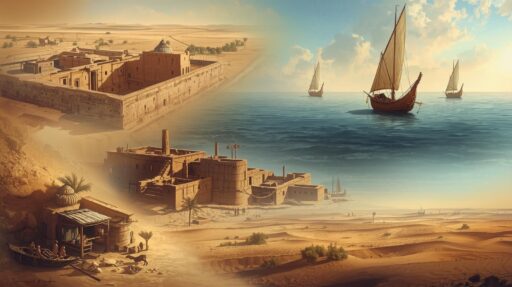
The UAE served as a hub connecting Mesopotamia, Persia, the Indus Valley, and East Africa. Early settlements engaged in fishing, agriculture, and maritime trade. Coastal communities excelled in seafaring, while desert tribes contributed camel caravans and overland trade routes.
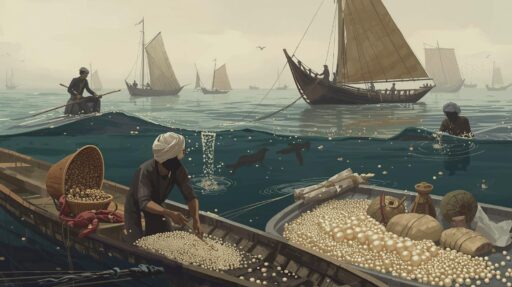
By the 18th century, pearling became the primary economic driver, while trading in copper, dates, textiles, and other goods connected the Emirates to regional and international markets. Merchants and families established trade networks that promoted wealth, cultural exchange, and social development.
Key Aspects of Early Trade
1. Maritime Trade
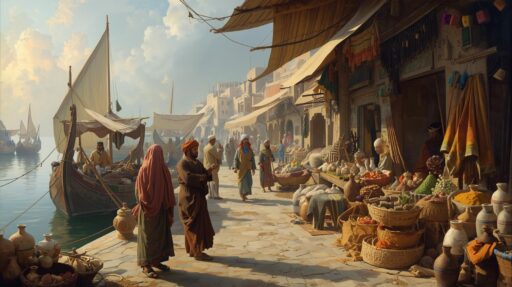
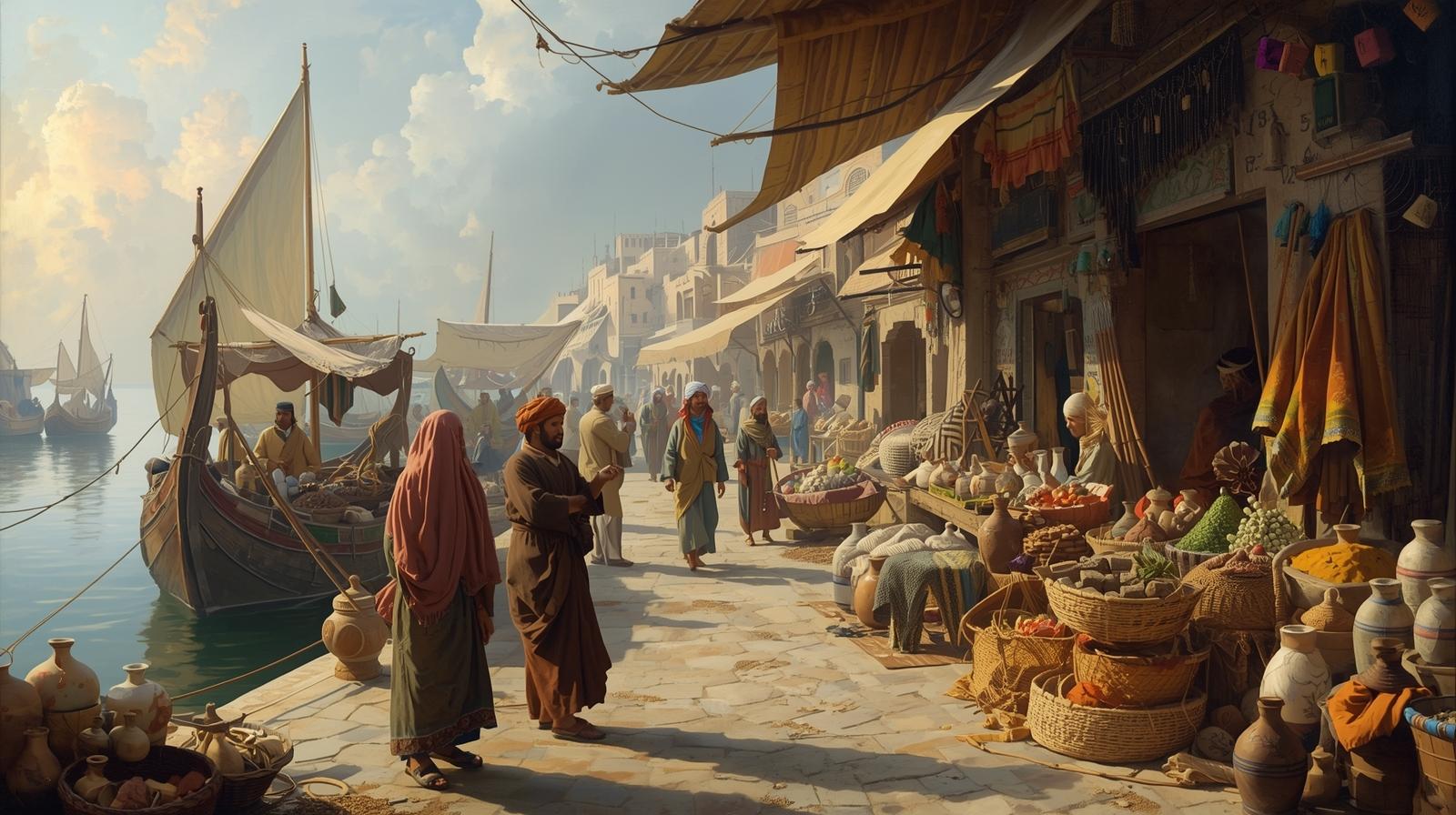
Dhow boats enabled long-distance trade, allowing coastal communities to export pearls, fish, and handicrafts. Maritime skills were essential for navigating tides, currents, and monsoon winds.
2. Land-Based Trade
Desert caravans transported goods like dates, copper, and textiles to neighboring regions. This trade fostered alliances between tribes and communities, ensuring mutual economic benefit and security.
3. Social Impact
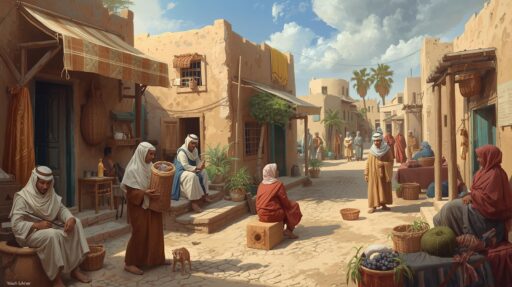
Trade contributed to social hierarchy, with merchants gaining wealth and influence. Communities prospered, building homes, markets, and mosques funded by trade profits.
4. Cultural Exchange
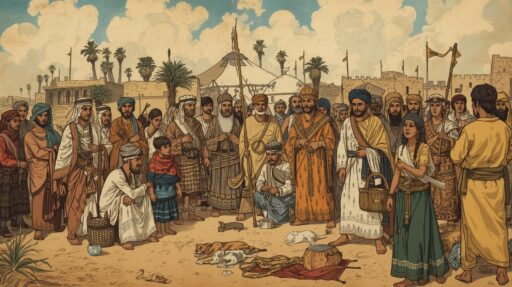
Interaction with traders from India, Persia, and Africa introduced new customs, foods, and technologies. This exchange enriched Emirati culture while preserving traditional practices.
Timeline of Early Trade
- Bronze Age: Exchange of copper, pottery, and agricultural products.
- 7th–10th Century CE: Expansion of maritime trade with Persia and India.
- 18th–19th Century: Peak of pearling trade and regional commerce.
- 19th Century: Integration into global trade networks under British treaties.
Modern Relevance
Early trade practices influenced modern UAE business culture, entrepreneurship, and international relations. Coastal cities and trading traditions remain central to the nation’s identity, celebrated in heritage sites and museums.
Conclusion
Trade was essential to the development of the Emirates, fostering economic prosperity, social hierarchy, and cultural exchange. The legacy of early commerce continues to shape the UAE’s modern economy and global outlook.