

Introduction
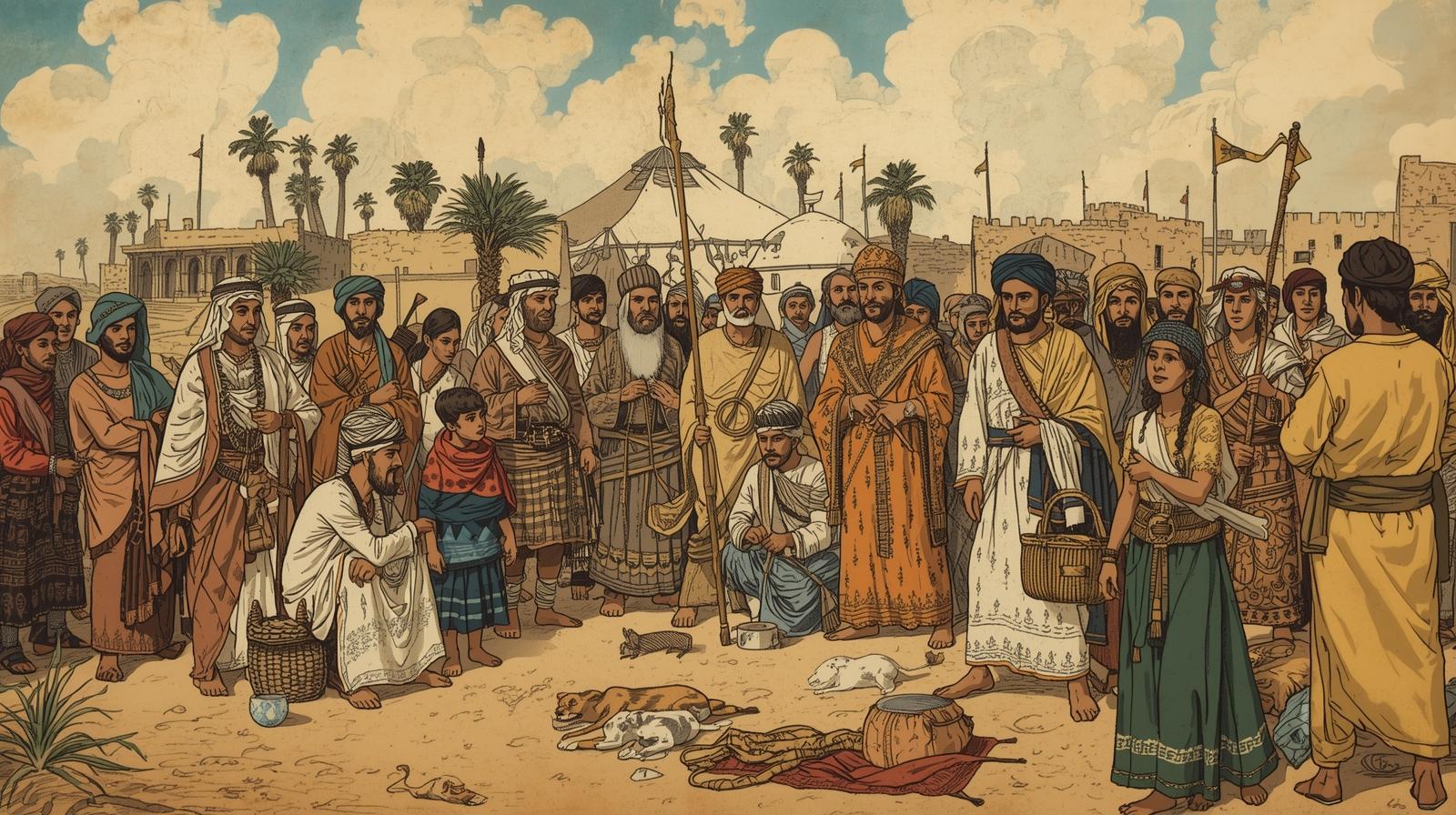
Tribal culture has been the cornerstone of Emirati society for centuries. Tribes not only provided structure and governance but also influenced customs, trade, and social cohesion. This article explores the key tribes that shaped the early history of the United Arab Emirates and their impact on modern culture.
Historical Background
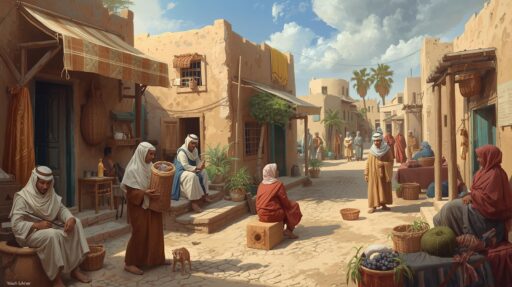
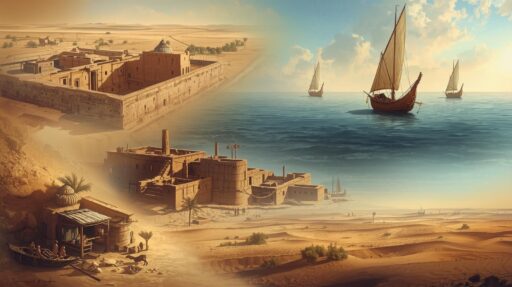
Before the formation of the modern UAE, the region consisted of independent tribal communities. Tribes were led by sheikhs or elders who oversaw governance, resolved conflicts, and maintained traditions. Tribal alliances ensured security, resource sharing, and cooperation in the harsh desert environment.
Prominent tribes included the Bani Yas in Abu Dhabi, the Al Qasimi in Sharjah and Ras Al Khaimah, and the Al Nuaimi in Ajman. These tribes were instrumental in establishing trade routes, defending settlements, and preserving cultural practices.
Key Contributions of Tribes
1. Governance and Leadership
Tribal leaders managed daily affairs, mediated disputes, and made decisions critical for survival. This leadership model laid the foundation for the federated governance system in modern UAE.
2. Economic Contributions
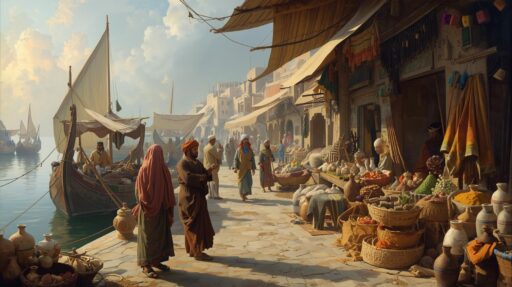
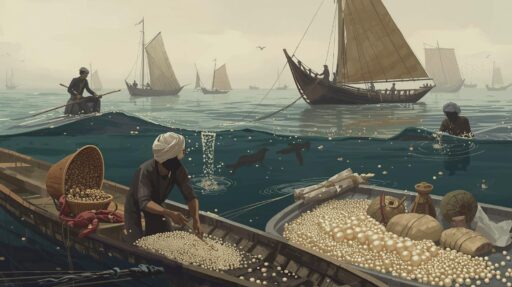
Tribes facilitated pearl diving, fishing, and trade. Coastal tribes specialized in maritime commerce, while desert tribes relied on camel herding and limited agriculture. Their economic practices connected the Emirates to regional and international trade networks.
3. Cultural Preservation
Tribal traditions shaped Emirati identity. Poetry, storytelling, music, and oral history were passed down through generations, preserving values, customs, and heritage.
4. Defense and Security
Tribal alliances helped defend territories against rival tribes and foreign incursions. Cooperation and loyalty within tribes ensured safety and stability in early settlements.
Timeline of Tribal Influence
- 7th–10th Century CE: Early tribal alliances emerge, guided by Islamic principles.
- 16th–18th Century: Tribes strengthen control over coastal and desert regions.
- 18th–19th Century: Tribes dominate pearling industry and regional trade.
- 19th Century: Tribal leaders sign treaties with Britain, forming the Trucial States.
Modern Relevance
Tribal values continue to influence UAE governance, social structure, and culture. Family loyalty, respect for elders, and hospitality remain core Emirati values. Modern leadership reflects the tribal emphasis on cooperation, negotiation, and community welfare.
Conclusion
Tribes were the backbone of early Emirati society. Their leadership, economic skills, cultural preservation, and social cohesion created the framework for modern governance and identity. Understanding tribal history provides insight into the values, traditions, and social dynamics that still define the UAE.